Composite vs Wood Decks on Long Island: Cost, Maintenance, and Resale
When homeowners on Long Island weigh composite against wood, they are really choosing between two different ownership experiences. Beyond initial price, the story includes cleaning routines, refinishing cycles, how surfaces behave in full sun or around pools, and the way each material ages in our coastal climate. This guide explains the tradeoffs so you can decide which path aligns with your budget, schedule, and style.
How Long Island Climate Shapes the Decision
Salt air, sea breeze, and seasonal temperature swings push outdoor materials hard. Sun can warm darker boards, winter freeze-thaw cycles test fasteners and framing, and ocean humidity keeps surfaces damp longer after storms. Composite and PVC aim to limit moisture absorption and reduce refinishing, while high-quality woods offer natural beauty and repairability. Your yard conditions help determine which advantages matter most.
Initial Cost vs Total Cost of Ownership
Upfront, pressure-treated lumber typically costs less than composite or PVC boards. Over time, however, wood requires periodic staining or sealing, plus occasional board replacement. Composites and PVC avoid most refinishing, focusing instead on periodic rinsing and gentle cleaning. If you prefer a consistent look with predictable upkeep, composite often wins long-term; if you like the option to sand and refinish to refresh the surface, wood provides flexibility.
Maintenance: What You Will Actually Do
Wood Decks
Expect seasonal washing, inspection of fasteners, and a stain or seal cycle to combat UV and moisture. Softwoods are more frequent; hardwoods can stretch intervals but may need specialized products and pre-drilling for fasteners.
Composite and PVC Decks
Routine care centers on rinsing, spot-cleaning with approved cleaners, and keeping debris out of gaps for drainage. While scratches can occur, many owners accept minor wear as patina; deep damage may require a board swap rather than sanding.
Heat, Traction, and Comfort
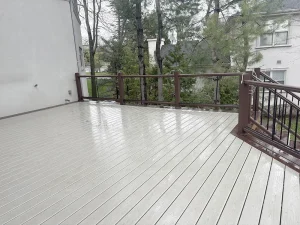
Color drives temperature more than brand or material. Lighter tones feel cooler underfoot on July afternoons. Around pools, traction matters as much as heat; deeper textures and lower-sheen finishes help feet feel secure. Wood can gain traction as grain raises, while many composites rely on embossed patterns for grip; compare wet traction where possible.
Design Flexibility and Aesthetics
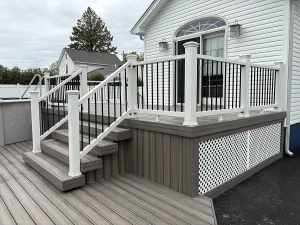
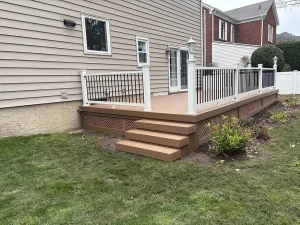
Wood’s natural variation is unmatched, especially in cedar and hardwoods with striking grain. Composite lines now offer realistic textures, multi-width options, and color consistency for two-tone borders and modern patterns. Either way, strong detailing elevates the result: picture-framed perimeters, clean stair terminations, thoughtful railing choices, and integrated lighting.
Resale Considerations
Buyers respond to condition and perceived upkeep. A well-detailed composite deck signals low routine maintenance and contemporary style. An expertly built wood deck reads warm and classic, but its finish state at listing time matters; fresh, even color helps curb appeal. In both cases, solid framing, safe railings, and tidy lighting are the biggest value drivers.
Choosing What Fits Your Lifestyle
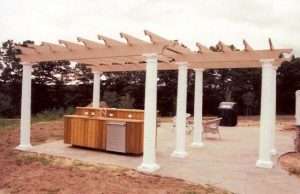
If you want predictable maintenance and color stability, composite or PVC likely fits. If you value the option to refinish, change tones, or repair with common tools, wood remains a strong choice. Many Long Island homeowners select composite for the main deck and use wood accents for planters, benches, or pergolas to blend benefits.
Talk With Decks Unique
Still debating wood versus composite for your property We can review samples, discuss heat and traction, and look at layout ideas to suit your yard and routines. Bring photos or sketches, and we will help you narrow to a short list that makes sense for your site and style.
Contact Decks Unique
Have questions about materials, framing, or railing integration Call (631) 623-9300 or (516) 689-7800, or reach us through the contact form to discuss your project and request a consultation and quote.
Frequently Asked Questions About Composite vs Wood Decks on Long Island
Which option lasts longer on Long Island?
Service life depends on materials, detailing, and care. Composite and PVC aim for consistent appearance with minimal refinishing, while quality hardwoods can be long-lived when finishes are maintained and fasteners are monitored.
Will a composite deck always feel hotter?
Not necessarily. Light colors across both composite and wood are more comfortable in full sun. Shade structures and ventilation help any deck feel cooler during heat waves.
Can I mix materials?
Yes. Many designs combine composite decking with aluminum or glass railings, or incorporate wood accents. Plan transitions, gapping, and fasteners carefully to suit each material’s movement and load needs.
How should I compare costs fairly?
Consider the first 5 to 10 years: initial build, cleaning and refinishing cycles, occasional board replacement, and your own time. That fuller picture reveals the true difference between wood and composite ownership.
What about environmental impact?
Composite often uses recycled content and avoids repeated stain cycles; sustainably sourced wood is renewable and repairable. Ask for material sourcing details and compare end-of-life options for your chosen product.